
Virtual staging is transforming how properties are marketed in New Zealand, offering cost-effective, fast, and visually appealing solutions for real estate professionals. At just $35 NZD per image with a 12–24-hour turnaround, it’s a practical alternative to physical staging, delivering high-quality, tailored results that help buyers visualise living in a space. Here’s what you need to know:
- Quick Turnaround: Orders are completed in 12–24 hours, with a money-back guarantee if deadlines aren’t met.
- Custom Design Options: Choose from styles like Scandinavian, Modern, or French Country to suit each property.
- Cost Savings: Virtual staging costs up to 97% less than physical staging while delivering similar benefits.
- Buyer Impact: Staged properties can sell 1–5% higher and up to 50% faster, with 87% more online views.
- Client Support: Dedicated account managers and two free revisions ensure satisfaction.
Fast Virtual Staging is a standout option, combining affordability, reliability, and personalisation to help agents boost property appeal and sales.
1. Professional Service and Reliable Delivery
Timely Delivery and Reliability
Fast Virtual Staging promises a swift 24-hour turnaround on orders, with most completed within just 12–24 hours. To back this commitment, they offer a money-back guarantee if deadlines aren’t met. This level of assurance reflects their confidence in their processes and gives real estate agents peace of mind, especially when working under tight schedules.
Connor Pocock, a Sales Associate at Ray White, highlights this dependability in his testimonial:
"Fast Virtual Staging provides consistently fast-turnaround and great quality virtual furniture for real estate listings. I’ve recommended to my industry colleagues and will continue to use their services in the future."
Impact on Buyer Perception
In today’s market, where nearly all home buyers rely on online images, the quality of those visuals can make or break engagement. Professionally staged photos stand out immediately, drawing buyers in and encouraging them to take the next step.
The result? More enquiries, increased viewings, and quicker sales. Professionally staged images don’t just look good – they feel real and inviting, helping potential buyers imagine themselves living in the space. This emotional connection, paired with affordable pricing, underscores the importance of professional virtual staging in modern real estate marketing.
Value Relative to Cost
With a price of just $35 NZD per image, virtual staging offers incredible value compared to traditional physical staging. In New Zealand, the return on investment (ROI) for staging typically ranges from 5 to 10 times the initial cost, making it especially effective for mid- to high-end properties.
What sets this service apart isn’t just the affordability – it’s the combination of professional-quality results, reliable delivery, and thoughtful extras. Agents can benefit from two free revisions and dedicated account management, ensuring the final images meet their exact needs without hidden fees. This attention to detail builds trust and lays the foundation for lasting business relationships.
2. Focus on Small Details
Customisation of Design Styles
When it comes to virtual staging, the magic lies in the finer details that transform a property into a warm, liveable space. Real estate professionals value the ability to customise design styles, tailoring each property to resonate with potential buyers. Fast Virtual Staging offers a variety of design options – from Scandinavian and French Country to Modern – allowing agents to align furniture styles with the tastes of their target audience.
Jack Dangerfield, a Real Estate Agent at Ray White, sums it up perfectly:
Adding virtual furniture to my property photographs always drives more interest in my listings. I can choose my own style of furniture and turn‐around times are super‐fast for the quality.
This flexibility means an Auckland apartment can be staged with sleek, modern furniture, while a family home in Christchurch can feature cosy, traditional pieces. By tailoring the design to fit the property’s character and the buyer demographic, agents create a compelling first impression that sets the tone for how buyers perceive the space.
Impact on Buyer Perception
The key to engaging buyers lies in photo-realistic virtual furniture that is perfectly scaled and seamlessly integrated into the space. Poorly executed staging – with mismatched or unrealistic furnishings – can disrupt the illusion and turn off potential buyers. Fast Virtual Staging employs skilled 3D artists who produce high-quality, render-perfect digital furniture that meets rigorous standards of realism and design.
But it’s not just about placing furniture. Attention to scale, lighting, and cohesive colour schemes creates spaces that feel natural and inviting. When buyers can picture themselves enjoying a morning coffee at the kitchen table or relaxing in the lounge for a family movie night, they’re more likely to move from browsing online to booking a viewing.
Value Relative to Cost
The appeal of virtual staging isn’t limited to its customisation and visual impact – it’s also a smart financial choice. Compared to physical staging, virtual staging is far more cost-efficient while delivering impressive results, such as increased interest and quicker sales. Another advantage? It’s flexible. Agents can tweak the staging based on early market feedback, refining the presentation to better suit buyer preferences.
Professionally staged images also have a wide range of uses, from Trade Me Property listings to social media promotions, printed brochures, and email campaigns. This ensures that every property is presented consistently and professionally across all marketing channels, maximising its appeal to potential buyers.
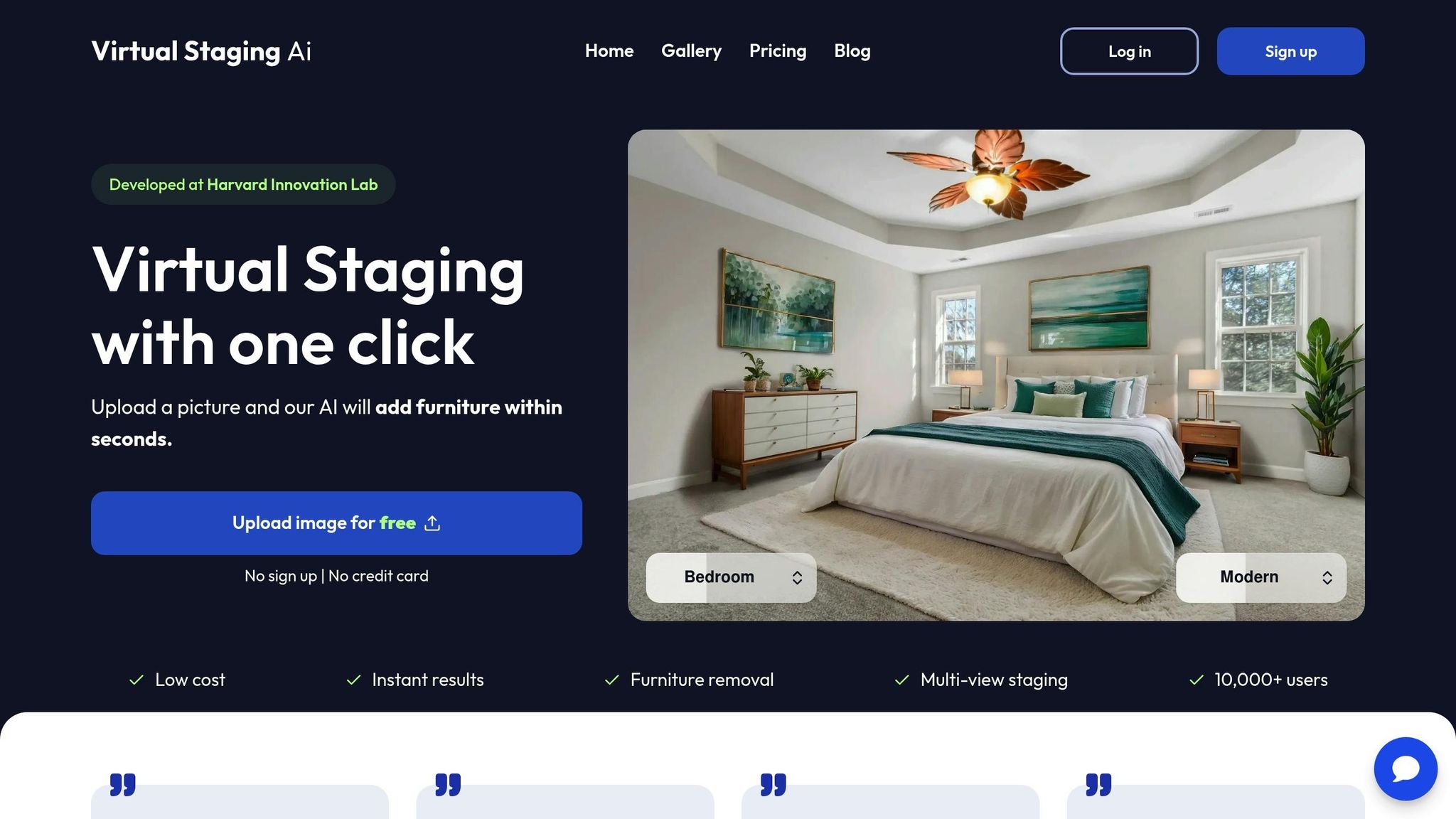
AI Staging for Real Estate… Too Good To Be True?!? VirtualStagingAI.app Review
3. Custom Design Options
This section explores how custom design options in virtual staging can significantly increase engagement and ROI for New Zealand real estate professionals. The ability to tailor virtual staging to suit specific property types and target buyers is a game-changer. Instead of using generic furniture arrangements, agents can select design themes that resonate with their audience.
Fast Virtual Staging offers a range of design styles, including Scandinavian, French Country, and Modern. This variety allows agents to align virtual furniture with the property’s character and the preferences of potential buyers. For instance, a sleek Wellington apartment might shine with minimalist Modern styling, while a family home in Hamilton could attract buyers with cosy and inviting French Country décor.
Agents can either choose a style or provide a brief to ensure the design meets their vision. For those who prefer to leave the creative decisions to professionals, skilled 3D artists can craft designs that highlight the property’s best features. This personalised approach ties back to the service’s reliability and attention to detail, as discussed earlier.
Impact on Buyer Perception
Customised virtual staging does more than just enhance visuals – it helps buyers connect emotionally with a property. When the virtual furniture complements a home’s architecture and intended purpose, it creates a seamless visual story that allows buyers to envision themselves living there.
In fact, research reveals that 81% of buyer’s agents believe staging helps buyers imagine a property as their future home. Properties with tailored virtual staging can generate up to 87% more online views compared to standard photos. This increased visibility often leads to more enquiries and viewings, giving agents a significant advantage in competitive markets like Auckland and Christchurch.
Value Relative to Cost
Virtual staging is not only effective but also far more affordable than traditional staging methods. It can reduce costs by up to 97% compared to physical staging, while still delivering the personalisation that makes properties stand out.
At just $35 NZD per image, agents can experiment with different designs or create multiple versions of the same space to gauge market reactions – options that are rarely feasible with physical staging due to its higher costs and logistical constraints.
Additionally, 20% of agents report that staging increases the dollar value offered by 1%–5% compared to similar unstaged properties. In a market like New Zealand’s, this seemingly small percentage can translate into thousands of dollars in added value, boosting profitability. Customised, professional images can also be used across various marketing platforms, from Trade Me Property listings to social media campaigns, ensuring a consistent and polished presentation that maximises return on investment.
4. Helping Buyers Picture Living Spaces
Empty rooms can make it tough for buyers to imagine the possibilities. Virtual staging steps in to transform these spaces, turning blank canvases into inviting, fully furnished homes that align with buyers’ dreams.
Impact on Buyer Perception
When a room is empty, it’s hard for buyers to visualise how it could work for their needs. Virtual staging solves this by presenting a clear picture of how each space can function. According to the National Association of Realtors, 81% of buyer’s agents believe staging helps buyers see a property as their future home. This observation mirrors what many New Zealand agents encounter – buyers are more likely to connect with homes where they can instantly imagine themselves living.
Through virtual staging, bedrooms become cosy retreats, kitchens transform into social hubs, and living rooms exude warmth and hospitality. These visuals go beyond square metres and floor plans, helping buyers picture their daily lives in the space. By fostering this emotional connection, virtual staging makes the property feel personal, setting the stage for further customisation to suit individual tastes.
Customisation of Design Styles
Virtual staging can be tailored to appeal to a wide range of buyer preferences. Whether it’s young professionals drawn to sleek, modern aesthetics or families looking for a homey, comfortable vibe, matching the staging to the target audience makes a big difference.
This personalised approach creates an instant sense of belonging. When the virtual design reflects a buyer’s lifestyle and aspirations, the property feels less like an empty shell and more like a home. For instance, a modern Auckland apartment might shine with minimalist furniture that highlights clean lines and a contemporary feel, while a family home in Tauranga could be staged with warm, inviting décor that emphasises comfort and practicality.
Value Relative to Cost
The benefits of virtual staging extend beyond aesthetics – it’s also a smart financial move. Research suggests staged homes can sell for 1%–5% more than similar unstaged properties. For a home priced at NZ$800,000, even a modest 2% increase translates to an extra NZ$16,000 – far outweighing the average NZ$35 cost of virtual staging.
Additionally, virtual staging can significantly speed up sales and boost online visibility. Staged properties are shown to sell up to 50% faster and attract up to 87% more online views compared to homes with standard photos. In competitive markets like Wellington or Christchurch, this can make all the difference. One Hamilton agent shared a success story: a property that had been lingering on the market sold quickly after virtual staging was applied, with buyers specifically mentioning the staged images as a deciding factor. This highlights how virtual staging not only grabs attention but also helps buyers envision the property as their future home.
5. Cost-Effective Investment
Value Relative to Cost
Virtual staging isn’t just about making a property look good – it’s also a smart financial move. It slashes costs by up to 97% compared to traditional staging, making it an affordable option for homes at any price point. At just NZ$35 per image, it’s a fraction of the cost of physical staging, which often involves hefty furniture rental fees, setup charges, and ongoing expenses that can run into the thousands.
The potential return on this small investment is impressive. According to a 2023 report by the National Association of REALTORS®, virtually staged homes can sell for 5% to 20% more than non-staged ones. For instance, a NZ$800,000 home could see a NZ$40,000 price increase with just a 5% bump – far outweighing the modest NZ$35 spent on staging. Even a 1% price increase can deliver an ROI of over 1,500%, and luxury properties often see even greater gains, with closing prices climbing 8–12% higher.
Clients frequently praise the affordability and effectiveness of virtual staging, noting its ability to deliver high-quality results without breaking the bank.
Impact on Buyer Perception
The financial benefits of virtual staging are only part of the story. Its visual appeal plays a huge role in capturing buyer interest and speeding up sales. Listings with virtual staging tend to draw more views and inquiries online, giving them a competitive edge in a crowded market. Plus, the quick turnaround time for staged images means sellers can act fast to attract attention.
Ray White Real Estate Agent Jack Dangerfield shared his experience:
Adding virtual furniture to my property photographs always generates increased interest in my listings. I can choose my own style of furniture and turn-around times are super-fast for the quality.
Timely Delivery and Reliability
In real estate, time is money, and virtual staging delivers on both fronts. Homes with virtual staging sell 73% faster, often receiving offers within 23–28 days compared to the 60–90 days typical for vacant properties. This speed not only saves time but also reduces the holding costs associated with longer sales cycles, making it a practical choice for sellers looking to close deals quickly.
6. Fast Project Completion
Timely Delivery and Reliability
When it comes to real estate, speed is everything. Virtual staging offers a game-changing advantage by transforming properties in as little as 12–24 hours. Even better, there’s a free service guarantee if residential virtual staging orders aren’t delivered within 24 hours. This reliability means agents can confidently plan their marketing campaigns without worrying about delays.
The ordering process is refreshingly quick and straightforward too. Submitting an order takes less than three minutes, allowing agents to get the ball rolling almost instantly. By the next day, they’ll have beautifully staged images ready to keep listings fresh and engaging for potential buyers.
Impact on Buyer Perception
Fast turnaround times do more than just save time – they shape how buyers perceive properties. With virtual staging completed and listings updated within a day, agents can capitalise on market momentum and catch buyers’ attention when it matters most. Empty rooms in listing photos can leave a lacklustre impression, but quick staging ensures properties look inviting right from the start.
The difference between virtual and physical staging is striking. While traditional staging can take 7–14 days, virtual staging delivers results in just 12–24 hours. This speed not only increases online views and inquiries but also allows agents to respond quickly to market trends. Whether it’s tweaking a room’s style or staging additional spaces, agents can adapt on the fly to keep properties appealing throughout the marketing cycle.
sbb-itb-7b8b2a2
7. White-Label and Partner Services
White-label virtual staging is a game-changer for real estate photographers and property marketplaces. Instead of sending clients to external staging providers, you can offer virtual staging services directly under your own brand. Platforms like Fast Virtual Staging make this possible by seamlessly integrating into your workflow. This not only strengthens client relationships but also opens up new revenue opportunities. With a focus on speed and quality, this approach lets your brand deliver top-tier staging services without compromise.
Value Relative to Cost
With white-label services, you can tap into a profitable revenue stream while keeping your brand front and centre. These services are designed to save costs and boost profitability, with exclusive partner discounts of up to 20% available through the Real Estate Photographer Club. Traditional staging costs can reach around NZ$1,500 per property, but virtual staging offers a far more economical alternative. The numbers speak for themselves when comparing the two:
| Feature | White‑Label Virtual Staging | Traditional Staging |
|---|---|---|
| Cost | Partner pricing available | From NZ$1,500 per property |
| Partner Discounts | Up to 20% available | Not applicable |
| Branding | Full white‑label integration | No branding options |
| ROI Potential | 500%–3,650% | 102%–909% |
By adopting white-label virtual staging, you gain the ability to deliver cost-effective, visually appealing results while maintaining healthy profit margins – all under your trusted brand.
Customisation of Design Styles
White-label staging doesn’t mean sacrificing creativity or individuality. Partners can choose from a range of design styles – such as Scandinavian, French Country, and Modern – ensuring that the staging aligns with their clients’ preferences while reinforcing their brand identity. Whether adhering to a specific design brief or experimenting to suit diverse market segments, this flexibility ensures that every project feels tailored and personal.
Impact on Buyer Perception
Adding white-label staging to your services elevates your professional image. When clients see staging offered directly under your brand, they view you as a comprehensive service provider rather than just an intermediary. This boosts credibility, builds trust, and fosters stronger client relationships. Plus, the photo-realistic renders produced through white-label staging far exceed the quality of generic AI-generated images, helping your brand stand out in New Zealand’s competitive property market. By combining staging and photography under one trusted name, you streamline processes and enhance client loyalty.
8. Clear Communication Throughout Projects
After discussing the importance of fast service and tailored designs, it’s time to focus on another critical element of virtual staging: clear communication. Real estate professionals consistently highlight how transparent and open dialogue can drive the success of virtual staging projects. This emphasis on communication strengthens the benefits of quick delivery and personalised designs.
Timely Delivery and Reliability
One of the ways clear communication shines is through dedicated account managers. Each client is assigned a single point of contact, ensuring seamless communication throughout the project. This person simplifies the process, clarifies client requirements, and quickly addresses any concerns. By eliminating the confusion that can arise with multiple team members or automated systems, this personalised approach keeps projects running smoothly.
The value of this dedicated support is reflected in client feedback. For example, Brad Minhinnick, Director at LINK Property Management, shared:
I really enjoyed working with my account manager.
This kind of direct communication not only helps maintain project timelines but also ensures any potential delays are communicated promptly. Most importantly, it guarantees that the staging aligns with the client’s unique vision.
Customising Design Styles
When it comes to tailoring virtual staging to specific properties or markets, communication is key. Clients can specify their preferred interior design style – be it Scandinavian, French Country, or Modern – right from the start. This structured style selection process ensures that the staging reflects the property’s unique character and appeals to the right audience.
Beyond the initial selection, an iterative revision process supports ongoing dialogue. Clients can provide feedback and request adjustments until the design perfectly matches their expectations. This back-and-forth exchange ensures that the final staging isn’t just visually appealing but also aligns with the client’s goals.
Impact on Buyer Perception
Clear and strategic communication also plays a big role in shaping how buyers perceive a staged property. By sharing their vision for the property’s appeal, clients enable account managers to guide design choices that resonate with potential buyers. Tools like chat and WhatsApp make it easy to provide real-time advice, helping clients optimise their listings.
These transparent conversations go beyond refining design choices – they build trust. By aligning staging decisions with buyer expectations, clear communication maximises the visual impact of the property. This not only enhances its appeal but also strengthens the connection between the buyer and the space.
9. High-Quality Images for Property Marketing
Alongside quick delivery and tailored designs, high-quality staging images add the finishing touch that grabs buyers’ attention. Combining photo-realistic virtual furniture with expert 3D design creates visually stunning results that elevate buyer interest and provide a level of realism unmatched by lower-quality options.
Impact on Buyer Perception
Professionally staged images make a strong impression on buyers browsing online property listings. These polished visuals not only catch the eye but also encourage potential buyers to spend more time exploring a property. This increased engagement often leads to more enquiries and heightened interest in the listing.
Customised Design Styles
Carefully chosen design styles tailored to specific buyer demographics can make a property even more appealing. Real estate professionals have the flexibility to select from a wide range of styles – like Scandinavian, French Country, or Modern – that align with the property’s unique character. This versatility ensures the staging resonates with the target audience, whether for residential or commercial spaces.
Speed and Dependability
Fast turnaround times mean listings can be updated quickly, with every image meeting the highest visual standards required for effective marketing. As Connor Pocock, Sales Associate at Ray White, shares:
Fast Virtual Staging provides consistently fast-turnaround and great quality virtual furniture for real estate listings. I’ve recommended to my industry colleagues and will continue to use their services in the future.
Cost vs. Quality
When comparing virtual staging to traditional physical staging, the cost savings are clear, all while maintaining exceptional image quality. Here’s how the two stack up:
| Feature | Virtual Staging | Physical Staging |
|---|---|---|
| Cost | $35–$200 NZD/image | $1,100–$7,000+ NZD/home |
| Delivery Time | 12–48 hours | Weeks |
| Design Options | Unlimited styles | Limited inventory |
| Use Cases | Online marketing | Open homes, luxury homes |
This comparison highlights how virtual staging delivers a professional, high-quality visual experience at a fraction of the cost of traditional methods.
10. Continued Support and Free Changes
One thing real estate professionals value most about virtual staging is the ongoing support that comes after project delivery. This isn’t just about finishing a job – it’s about creating a partnership. The option for revisions and continuous assistance turns the service into more than a one-time transaction; it becomes a collaborative effort to meet specific goals. This builds on earlier themes of reliability and personalisation.
Value Relative to Cost
From a financial perspective, this ongoing support offers a great return on investment. For just $35 NZD per image, the service includes two free revisions, which is a big deal for New Zealand real estate professionals. Why? Because it takes the pressure off having to get everything perfect the first time. Agents can make adjustments without worrying about extra charges. Plus, these revisions allow for fine-tuning based on market feedback, making virtual staging a cost-effective alternative to traditional staging.
Customisation of Design Styles
Free revisions also add another layer of flexibility when it comes to design. Agents can tweak staging designs to better suit buyer preferences or adapt to changing market trends. For example, if a Modern design style doesn’t hit the mark, it’s easy to switch to something else – like a Scandinavian look – to better appeal to potential buyers. This adaptability is especially useful when targeting diverse buyer demographics, helping agents adjust their approach based on real-world responses.
Timely Delivery and Reliability
When it comes to revisions, a dedicated account manager ensures requests are handled quickly and efficiently. This level of support doesn’t just streamline the process – it reinforces the service’s commitment to delivering high-quality results on time.
Altogether, the mix of free revisions and reliable support creates a cost-effective and dependable solution for real estate marketing in New Zealand. It’s a service designed to adapt, respond, and deliver exactly what agents need.
Service Features Comparison
Expanding on the benefits outlined earlier, this section provides a detailed comparison of key features to help real estate professionals make informed decisions about Fast Virtual Staging. Choosing the right service can significantly affect both budgets and the speed of marketing efforts.
Turnaround Time is a game-changer for agents working under tight deadlines. Fast Virtual Staging delivers images in just 12–24 hours, an efficiency that traditional staging simply can’t match. This quick delivery is ideal for urgent listings or any last-minute staging needs.
Service cost is another critical factor. At $35 NZD per image, including two free revisions, Fast Virtual Staging is a cost-saving alternative to traditional staging, which can exceed $1,500 NZD per property.
| Feature | Fast Virtual Staging | Traditional Staging | Others |
|---|---|---|---|
| Turnaround Time | 12–24 hours | 7–14 days | 24–48 hours |
| Price per Image | $35 NZD | $1,500+ NZD per property | $40–$60 NZD |
| Design Styles | Multiple/custom options | Limited by inventory | Limited selection |
| White-Label Solutions | Available | Not available | Sometimes available |
| Free Revisions | 2 per image | None | 1 per image |
| Account Support | Dedicated manager | Varies by company | Email only |
This comparison highlights how Fast Virtual Staging not only delivers speed and affordability but also offers unmatched flexibility and branding opportunities.
White-label solutions provide additional value for real estate photographers and agencies looking to broaden their service offerings. Fast Virtual Staging’s programme includes a 20% discount for Real Estate Photographer Club members, allowing partners to offer virtual staging under their own brand while keeping competitive profit margins.
Digital design options are another standout feature. Virtual staging offers a broad range of styles, such as modern or Scandinavian themes, without the limitations of physical furniture or the extra costs of storage and logistics. This flexibility ensures properties can cater to diverse buyer tastes.
Photo-realistic renders are particularly effective in engaging potential buyers, especially in New Zealand’s increasingly digital property market. With online listings often serving as the first point of contact for local and international audiences, visually appealing, well-staged images can make a strong first impression.
This breakdown clearly shows how fast, budget-friendly virtual staging is reshaping property marketing for professionals across New Zealand.
Conclusion
The insights above highlight the key elements that industry professionals value most in virtual staging: professional service, custom design options, and high-quality images. These three factors consistently stand out as the cornerstones of successful staging projects, particularly in New Zealand’s real estate market.
Testimonials from agents emphasise how these features enhance property appeal. Customisable furniture styles, fast turnaround times, and dedicated account management are often credited with simplifying the process and drawing more interest to listings. This aligns with research showing that staging helps buyers imagine a property as their future home – an essential factor when over 90% of home buyers start their search online.
To implement these lessons, real estate professionals should focus on providers offering tailored services, including diverse design styles like Scandinavian or Modern, and flexible revision policies. These options ensure properties resonate with a wide range of buyers across New Zealand.
For example, Fast Virtual Staging offers a standout package: 24-hour delivery, personal account management, and two free revisions per image – all for $35 NZD. Plus, members of the Real Estate Photographer Club enjoy a 20% discount. This combination of speed, customisation, and affordability ensures agents can consistently deliver visually compelling and market-ready listings.
FAQs
How does virtual staging help buyers connect emotionally with a property?
Virtual staging is a clever way to help buyers picture themselves living in a property. By digitally adding stylish furniture and decor to empty or dated rooms, it showcases the home’s potential while making the space feel welcoming and full of life.
This strategy taps into the emotional side of home buying, allowing potential buyers to see the property as their future home. It’s an effective method to bring a space to life and create a memorable impression.
What makes virtual staging a more affordable and efficient option compared to traditional home staging?
Virtual staging offers a budget-friendly and efficient solution compared to traditional staging methods. It cuts out the hassle and expense of renting furniture, hiring movers, or organising on-site setups – saving both money and valuable time.
Instead, digital furniture is seamlessly added to property photos. This approach allows for fast turnaround times and easy customisation to match various design preferences. For real estate professionals, it’s a practical way to present properties in their best light without dealing with the complexities of physical staging.
How can real estate professionals tailor virtual staging to attract different types of buyers?
Virtual staging gives real estate professionals the power to tailor interiors to match different buyer tastes. Whether it’s Scandinavian, Modern, or French Country styles, you can design spaces that connect with specific groups. For example, a sleek and contemporary look might draw in young professionals, while a more timeless, classic design could appeal to families or older buyers.
This approach highlights a property’s possibilities, helping buyers picture themselves in the space and boosting the chances of closing a sale.